
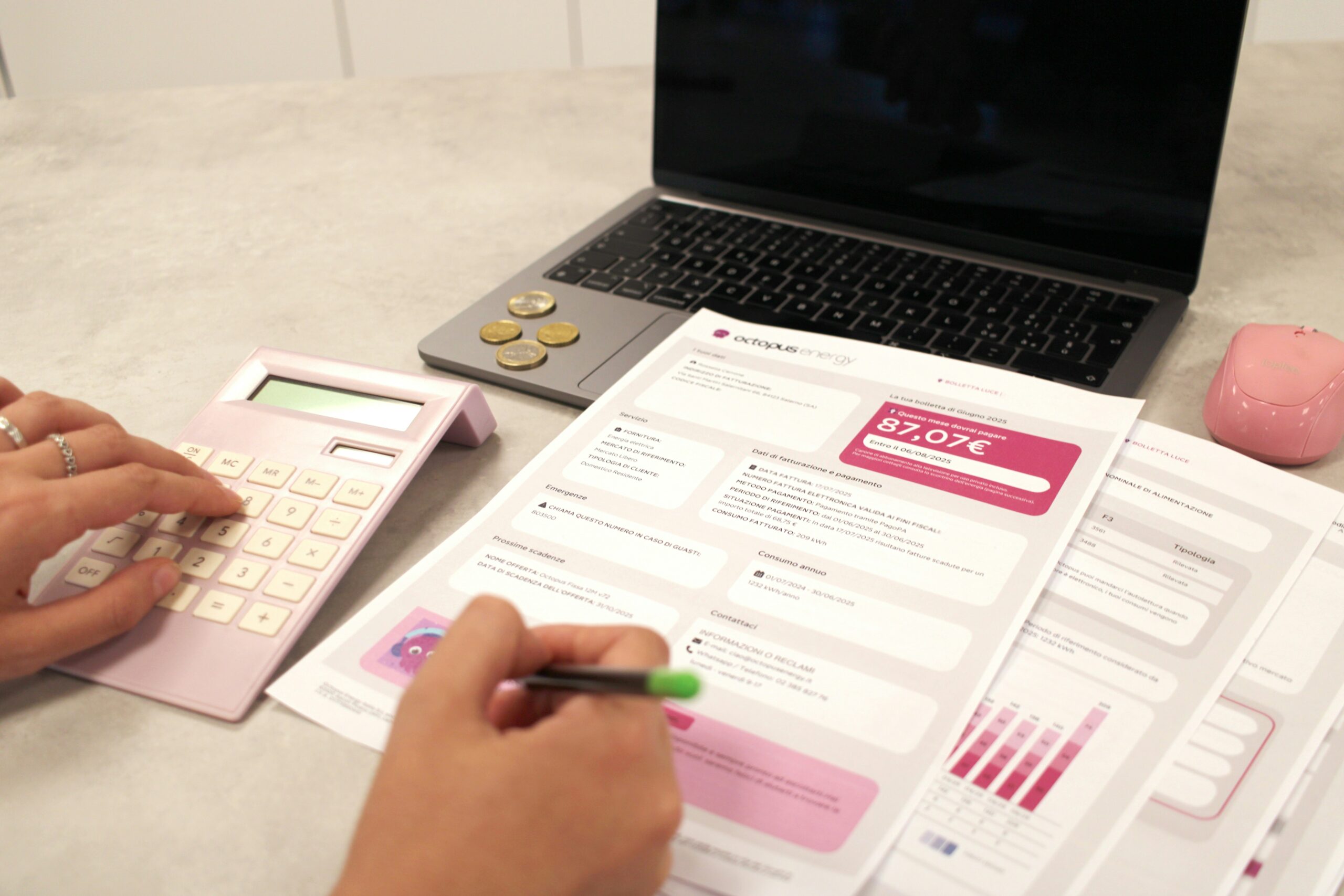
Money affects nearly every part of our daily lives. It determines where we live, what we eat, how we travel, and how prepared we are for unexpected situations. Yet despite earning a steady income, many people still struggle financially because they never develop a proper budgeting system. Instead of controlling their money, they allow their spending habits to control them.
Creating a personal budget is one of the smartest financial decisions anyone can make. A budget is not about limiting your lifestyle or saying no to everything you enjoy. Instead, it is a practical financial plan that helps you spend intentionally, save consistently, and prepare for future goals.
Whether you have just started your first job, run your own business, work as a freelancer, or simply want to improve your financial habits, learning how to budget effectively can completely change your financial future.
This comprehensive guide explains everything you need to know about creating a budget that is realistic, easy to maintain, and capable of helping you achieve long-term financial stability.
What Is a Personal Budget?
A personal budget is a financial plan that outlines how you will use your income during a specific period, usually one month. It tracks how much money you earn, how much you spend, and how much you save.
Instead of wondering where your paycheck disappeared, budgeting allows you to decide in advance where every dollar should go.
A good budget provides structure without making you feel restricted. It encourages responsible spending while leaving room for entertainment, hobbies, and personal goals.
Why Budgeting Matters
Many people believe budgeting is only necessary when money is tight. In reality, successful people at every income level use budgets because they understand that financial success depends more on managing money wisely than simply earning more.
Here are some of the biggest advantages of budgeting:
- Helps you understand your spending habits
- Prevents unnecessary purchases
- Reduces financial stress
- Improves saving habits
- Makes debt repayment easier
- Builds financial confidence
- Helps prepare for emergencies
- Supports long-term financial goals
Budgeting creates awareness. Once you understand where your money goes each month, making smarter financial decisions becomes much easier.
Step 1: Calculate Your Monthly Income
Before creating any budget, determine exactly how much money you receive each month.
Your income may come from several different sources, including:
- Full-time employment
- Freelance work
- Business profits
- Rental income
- Investment returns
- Side hustles
- Bonuses
If your income changes from month to month, calculate your average monthly earnings based on the previous six to twelve months.
Using realistic income figures is essential because overestimating your earnings can quickly lead to overspending.
Step 2: Track Every Expense
The next step is understanding exactly where your money goes.
Many people know how much they spend on rent or groceries but completely overlook smaller purchases such as coffee, online subscriptions, convenience store visits, or food delivery.
Start tracking every expense for at least one month.
Common fixed expenses include:
- Rent or mortgage
- Insurance
- Internet
- Mobile phone
- Loan payments
- School fees
Variable expenses include:
- Groceries
- Transportation
- Fuel
- Restaurants
- Shopping
- Entertainment
- Household supplies
- Medical costs
Even small purchases matter because they add up over time.
Step 3: Separate Needs From Wants
One of the most valuable budgeting skills is recognizing the difference between needs and wants.
Needs are essential expenses required for daily living.
Examples include:
- Housing
- Utilities
- Food
- Transportation
- Healthcare
- Insurance
Wants improve your lifestyle but are not essential.
Examples include:
- Premium streaming services
- Designer clothing
- Luxury electronics
- Expensive vacations
- Frequent restaurant visits
- Gaming purchases
Understanding this difference allows you to make better financial decisions without sacrificing your happiness.
Step 4: Set Clear Financial Goals
A budget becomes much easier to follow when you have meaningful goals.
Your goals might include:
- Building an emergency fund
- Paying off debt
- Buying your first home
- Starting a business
- Saving for retirement
- Purchasing a vehicle
- Funding higher education
- Traveling internationally
Goals provide motivation and help you stay committed even when spending temptations appear.
Step 5: Organize Your Spending Categories
Dividing expenses into categories makes your budget easier to manage.
Typical categories include:
Housing
Rent, mortgage payments, maintenance, and repairs.
Utilities
Electricity, water, internet, natural gas, and phone bills.
Food
Groceries, household essentials, and occasional dining out.
Transportation
Fuel, vehicle maintenance, insurance, parking, and public transportation.
Healthcare
Medical checkups, medications, insurance, and emergency healthcare expenses.
Savings
Emergency funds, retirement accounts, investments, and future financial goals.
Personal Spending
Entertainment, hobbies, clothing, gifts, and recreational activities.
Categorizing expenses makes it easier to identify areas where spending can be reduced.
Step 6: Build an Emergency Fund
Unexpected expenses are part of life.
Your car may require repairs.
Medical emergencies may occur.
Household appliances can stop working without warning.
Without emergency savings, many people rely on credit cards or loans, creating unnecessary financial pressure.
Building an emergency fund provides peace of mind and financial security.
Even saving a small amount every month can make a significant difference over time.
Step 7: Reduce Unnecessary Expenses
Budgeting does not always require earning more money.
Often, improving your financial situation simply means spending more wisely.
Simple ways to reduce expenses include:
- Preparing meals at home
- Canceling unused subscriptions
- Shopping with a grocery list
- Comparing insurance providers
- Avoiding impulse purchases
- Waiting 24 hours before buying non-essential items
- Buying quality products that last longer
Small improvements repeated consistently often produce remarkable financial results.
Step 8: Save Before You Spend
Many people save whatever remains at the end of the month.
Unfortunately, very little is usually left.
Instead, make saving your first financial priority.
Transfer money into your savings account immediately after receiving your income.
Treat savings like an important monthly bill rather than an optional expense.
This habit is one of the simplest ways to build long-term wealth.
Common Budgeting Mistakes
Even well-designed budgets can fail if common mistakes are ignored.
Some of the most frequent budgeting errors include:
- Forgetting occasional expenses
- Setting unrealistic spending limits
- Ignoring small daily purchases
- Failing to review the budget regularly
- Depending too heavily on credit cards
- Giving up after one difficult month
Remember that budgeting is a skill that improves with practice. No budget is perfect from the beginning.
Budgeting Tips That Actually Work
Successful budgeting is built on consistency rather than perfection.
Here are several habits that can dramatically improve your financial management:
Review your spending every week.
Update your budget every month.
Track all purchases, regardless of size.
Set realistic financial goals.
Celebrate small financial achievements.
Avoid emotional shopping.
Compare prices before making large purchases.
Continue learning about personal finance.
These simple habits become easier over time and often lead to long-lasting financial success.
Why Financial Discipline Is More Important Than Income
Many people assume earning more money automatically solves financial problems.
In reality, higher income often leads to higher spending.
Financial discipline is what separates people who build wealth from those who constantly struggle despite earning good salaries.
Learning how to manage money effectively is often more valuable than simply increasing your income.
The Long-Term Benefits of Budgeting
A well-managed budget creates lasting benefits that extend far beyond monthly savings.
Over time, budgeting can help you:
- Build financial confidence
- Reduce money-related stress
- Increase savings
- Improve financial security
- Reach major life goals
- Avoid unnecessary debt
- Create better spending habits
- Prepare for retirement
- Support your family more effectively
Budgeting is not simply about numbers. It is about creating opportunities for a better future.
Final Thoughts
Creating a personal budget is one of the most valuable financial habits anyone can develop. It provides clarity, confidence, and complete control over your money while helping you prepare for both expected and unexpected expenses.
Remember that budgeting is not about perfection. Every month offers an opportunity to improve your financial decisions and move one step closer to your goals. Small changes made consistently often produce extraordinary long-term results.
Whether your goal is eliminating debt, building savings, purchasing a home, or achieving financial independence, a realistic budget provides the foundation for lasting success.
Start today, remain consistent, review your progress regularly, and allow your budget to grow alongside your financial journey. The habits you build today can create financial security and peace of mind for many years to come.